Showing posts with label vintage fabrics. Show all posts

Monday, February 04, 2013

What IS this Fabric?


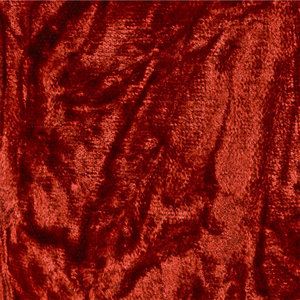
Crushed Velvet
As sellers, buyers, or collectors of vintage clothing, we’ve all picked up a garment and wondered, “What fabric is this?” That often leads to more questions such as, “What’s the difference between fiber and weave? Is this fiber natural or synthetic? What’s the name of this weave?” And so on. 

Well, there’s a fantastic new resource in the vintage fashion world that can help! The Vintage Fashion Guild’s Fabric Resource is the new “go-to” place for fabric identification.

A true “labor of love” from VFG trade member Maggie Wilds (denisebrain), this resource offers descriptions and photographs of various fabrics. Five years in the making, it was the result of Maggie’s desire to make a “significant contribution” to the Vintage Fashion Guild. With a little help from friends within and outside of the VFG, her goal was realized when the Fabric Resource went online in 2012. More fabrics will be added over time to this already-extensive resource, which currently features more than 200 entries.
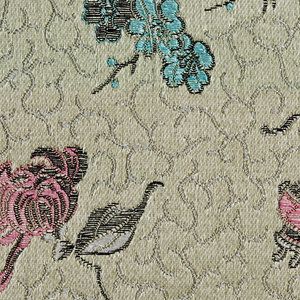
Brocade
Resource listings are arranged alphabetically, and there are three different search methods you can use to identify a fabric: Fabric “Looks Like,” Fabric by Fiber, Fabric by Use. The first is especially useful to novices, since you don’t need to guess at what it is, but can use its appearance alone to start narrowing down the possibilities.

The Resource also features a section extremely helpful to the experienced and inexperienced alike—Determining Fiber.  This gives tips, including the “burn test,” on how to tell a fabric’s fiber or fiber blend. Distinguishing between fiber (what a fabric is made of) and weave (how it’s fashioned into fabric, its texture, etc.) is a key factor when dealing with vintage garments, since so many pieces carry no content or care labels. In the case of online buying and selling, this information helps sellers accurately describe an item and allows buyers to make a more informed buying decision. Many sellers aren’t fully aware of the difference between fiber and weave (e.g., silk and wool are fibers, satin and twill are weaves), and will find the Fabric Resource absolutely invaluable!

Twill Weave (note the distinct diagonal pattern)
Plain Weave
                                                                               
Check out the Vintage Fashion Guild’s new Fabric Resource, and next time you need to identify a fabric, make it your very first stop!

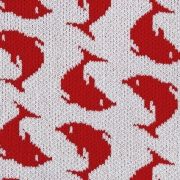
Jacquard Knit

Wednesday, November 16, 2011

Wonderful Wools 101!

After a hiatus, the "Fabric Junkie" is back, tackling a timely subject--wool. As in the past, we're looking at both fiber and weave. Last time we mentioned how one weave (jacquard) can be made in a variety of fibers. This time we'll look at how one fiber can be made in a variety of weaves. Everyone knows wool, right? But do they realize the amazing variety of wools and weaves there are? Like silk, wool is incredibly versatile. It can be woven, knitted, or felted; finely or coarsely woven; made in winter or summer weights; etc. It can be made from the coats of not only sheep and lambs, but goats, camel, alpaca, llama, and more. Tweeds, worsteds, twills and gabardines, bouclés.... No wonder wool is one of my favorite fibers! One would need a book to cover all the wools and they ways they're used, so I'll hit just a few common ones: "Nubby" or rough woolens, typically thought of for outerwear, winter suits, and heavier winter dresses. Two specific weaves that come to mind are tweed and bouclé. A tweed weave is a rough-surfaced wool woven in two or more colors, often in a checked or plaid pattern, but can have a flecked, heathered, or herringbone look. You can usually see the warp and weft yarns pretty clearly in a tweed. The Harris tweeds of Scotland are probably the most well-known ones, but tweeds are produced in other countries as well. Bouclé is a very nubby fabric woven with looped yarns, often found in winter coats and jackets. The loops can be very short or long, so bouclé doesn't always look the same from garment to garment and can be used in formal or casual looks. "Suiting" wools, which are smoother and sometimes not easy to recognize as wool. Probably the most familiar of these are the twills and gabardines--weaves with easily visible diagonal lines and with a tighter, finer finish than the woolens. These are often found in mid-weight mens' and ladies' suits and overcoats, although they can vary from heavy to light. Worsted wool is probably what most people visualize when they think of suits, even if they don't know the term. This weave is created using a tightly twisted yarn with smooth finish. The short, "hairy" fibers are combed out of, so that it loses its woolen look. It may not "look" like wool, but when you feel it, you can usually tell that it is. Then we have tropical wool, which is a worsted, but is very plainly woven, very lightweight, and airy--excellent for suits and dresses worn in the spring and summer or in, aptly, tropical climates. The last wool I'll tackle is knitted wool. While everyone is familiar with loosely woven, bulkier sweater knits, many finer knits are used in apparel. Tops, jackets, skirts, and dresses can be made from these knits. These are usually lighter in weight than a typical sweater knit, more tightly knitted, and with a much smoother finish. They drape nicely and can be lined or unlined, and are found as a single-knit fabric such as jersey, or in double knits. Today, the sellers of Reflections of Vintage present some of our seasonal wool fashions!
From My Vintage Cocktail comes these listings: A Vintage 60s Pinup Sweater, Designer, Wool Knit, OOAK, XS, Sm, Med Image Source,Photobucket Uploader Firefox Extension And this fluffy Vintage 50s 60s Designer Mohair Sweater Cardigan, Sm Med, MINT NOS Deadstock Image Source,Photobucket Uploader Firefox Extension Vintage Baubles Too offers this Vintage 50s 1950s Swing Coat Car Coat Turquoise Boucle Wool Sm Med Image Source,Photobucket Uploader Firefox Extension From Alley Cats Vintage, we have a Vintage Hat Gray Wool Stetson Fedora Image Source,Photobucket Uploader Firefox Extension This adorable Vintage Handbag Purse Black Wool Small Image Source,Photobucket Uploader Firefox Extension And this worsted-wool Vintage Suit 1940s 1950s Glenhaven Blue Tweed Nipped Waist B34 Size Small Military Inspired Image Source,Photobucket Uploader Firefox Extension Catseye Vintage presents this Vintage Cardigan Sweater / Angora Blend / 1960s 60s / Hand Beaded / Glass Beads / Peach / Size L Image Source,Photobucket Uploader Firefox Extension A Vintage 50s Suit / 1950s / Skirt Suit / Fur Collar / Mink / Wool Gabardine / Navy Blue / Youthcraft / Size XS Image Source,Photobucket Uploader Firefox Extension And this sophisticated suit-weight Vintage 60s Dress / Shirtdress / Coat Dress / 1960s / Grey / Gray / I Magnin / Georgette Trilere / Size S / US Shipping Included Image Source,Photobucket Uploader Firefox Extension

Sunday, November 21, 2010

Is It Satin or Is It Silk? It's both!

I'm a fabric junkie. It's one of my favorite things about vintage clothing--I find it fascinating. The perfect fabric can turn a simple design into a masterpiece, while a poor fabric selection can render a great design just ordinary. Today, I’ll tackle an often-misunderstood topic: fiber and weave. As both a seller and buyer of vintage apparel, I’m frustrated when I ask a seller about the fiber from which an item is made, and she/he doesn't understand the question. Especially if she/he stated the weave in the description. But weave is only part of the story. Fabric is a combination of fiber and weave, fiber being the raw material used to create it (e.g., wool, silk, rayon, polyester) and weave being the resulting look and texture once it is made into yardage. There is also the “how” of creating fabric (weaving, knitting, compressing, bonding, etc.), which affects weave, but that’s another can of worms for another day.

“So, why is this important?”, you might ask. While some buyers really don’t care about fiber, many do. Some can’t wear synthetics, some can’t wear certain natural fibers. For others, it’s a matter of preference. And, for both buyers and sellers, knowing the fiber can determine how to care for/clean/store the garment. This subject is so expansive and can be so complex, I don’t expect every seller to be a fabric expert! I don’t at all consider myself one, at that. But, since fiber-content labels are a relatively recent development in apparel manufacturing, sellers and buyers alike need a basic understanding of fiber and weave, and how to recognize them. For buyers, knowing the fiber can help them get a sense of how the fabric will feel and drape (or not) on the body.

People often know weaves but don’t realize that several different fibers can be used to create the same weave. This commonly occurs with satin, taffeta, chiffon, jersey, velvet, gabardine, jacquard, seersucker, and others. Since this would be a book and not a blog if I addressed all of them, I’ll start with the first three:

Satin: Most folks know satin, that shiny, smooth-textured, “slippery” fabric from which many evening and wedding gowns, nicer lingerie, and some linings are made. It can be made from silk, rayon, and polyester, and, sometimes, acetate. Cotton satin is called “sateen.” De-lustered, or matte, satin is often done in silk and called “peau de soie.” It has a very subtle luster and is delightful! You can see the difference in sheen in these two dresses, one a traditional rayon satin, the other a peau de soie:

Rayon satin Fred Perlberg gown from Alley Cats Vintage: Photobucket


Pink peau de soie dress from Catseye Vintage: Photobucket


Taffeta: Also a smooth, finely woven fabric with a sheen to it, but is “crisp” and usually thinner than satin. It was very popular in the full-skirted party dresses of the 50s, often layered with tulle. Now commonly used in dress and coat linings. Though we usually see it in acetate or rayon, it used to be made mostly of silk. Nylon also can be woven into a taffeta finish—most notably the Barbizon “Tafredda” slips (when I got my first one, I was astounded that it was 100% nylon!).

Red rayon taffeta evening gown from Vintage Baubles Photobucket


Chiffon: That sheer, thin, and airy fabric seen in party dresses, wedding gowns, etc. Vintage double-chiffon peignoir sets have been popular for years. Chiffon is often used for sleeves, ruffles, and bodice insets. When used for a full garment, it’s often lined in taffeta. It can be made from silk, nylon, polyester, and rayon.

Print silk-chiffon dress previously sold by Vintage Baubles: Photobucket


How to tell the difference? The best way is through handling as many different known fibers and weaves as you can. Note the content and weave of modern and vintage garments you already have--how they feel, how they drape, etc. Go to the fabric store, take a bolt of silk satin and one of polyester satin, and compare the feel. There's nothing like “hands-on” practice! Identifying fabrics will become easier over time. But, no matter how well versed you are, sometimes you just can’t tell. I use my sewing books and online resources as reference; after sewing for 40 years and selling for 10, I still check them. Often. You should also learn how to do a burn test. This isn’t always possible (sometimes you can't snip a piece to test), but it can be very valuable. Do a search for “fiber burn test,” and you’ll find charts, tips on methodology, etc. Bear in mind that any of the weaves discussed today can consist of blends of fibers; in that case, even a burn test may be inconclusive.

Sometimes, if you’re a seller, you end up just not being sure. In that case, I generally state my best guess as to fiber (and am clear that it's a guess). In online selling, where a buyer can’t handle an item, I think it’s critical to state, to the extent possible, the fiber and weave of a piece.

Friday, October 01, 2010

September 27th Fashion Parade *Knit one, Pearl Two*

September 27th Fashion Parade *Knit one, Pearl Two* This week we feature sweaters and pearls, a classic combination. Find a great vintage selection among the VFG member's offerings!
Vintage Vintage 1950s Button Collar Baby Blue Sweater - NOS from VIVIANBELLE VINTAGE
Photobucket
Vintage Marvella Three Strand Necklace and Clip Earrings from CATWALK123 CREATIVE
Photobucket
Vintage Vintage 60s Green Mohair Wool Cardigan Sweater from VINTAGE FANATTIC
Photobucket
You can find more fabulous vintage items from more sellers at the VINTAGE FASHION GUILD FASHION PARADE!

Saturday, February 20, 2010

February 15th Fashion Parade *Take a Ribbing*

February 15th Fashion Parade *Take a Ribbing* Pinwale, wide wale, printed or plain, corduroy endures as a cold weather favorite. Find a great vintage selection among the VFG member's offerings!
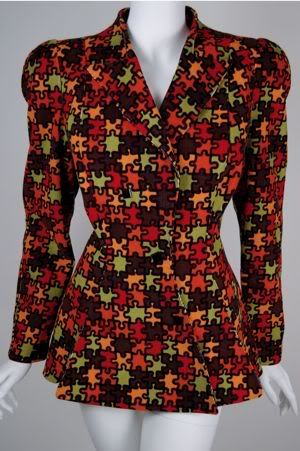
Vintage 80s Thierry Mugler Jigsaw Print Corduroy Jacket from VIVA VINTAGE CLOTHING
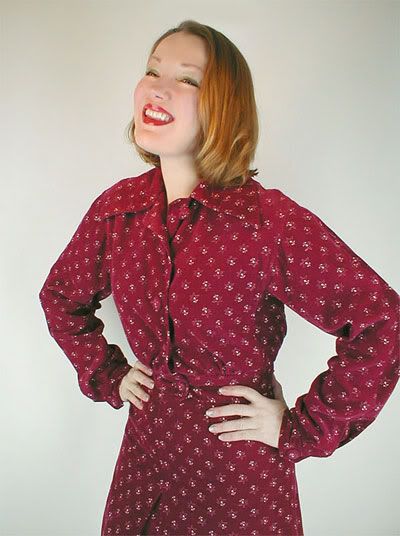
Vintage 70s Burgundy Cotton Pinwale Corduroy Mini Skirt and Jacket from DENISE BRAIN
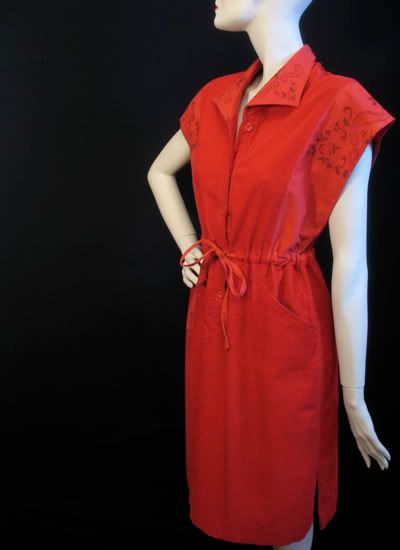
Vintage 70s Radley of London Red Corduroy Embroidered Drawstring Dress from BIG YELLOW TAXI VINTAGE
You can find more fabulous vintage items from more sellers at the VINTAGE FASHION GUILD FASHION PARADE!

See more vintage clothing and accessories at the FEBRUARY 18th *FRESH VINTAGE* EDITION

Friday, May 08, 2009

May 4th Fashion Parade *CHECK THIS OUT!*

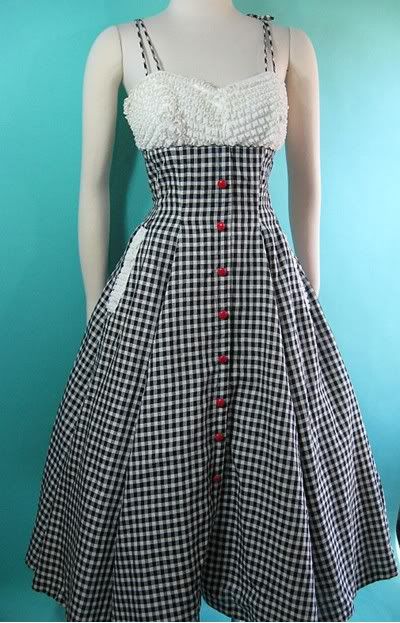
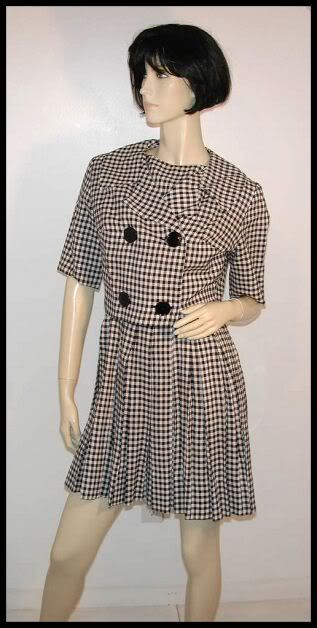
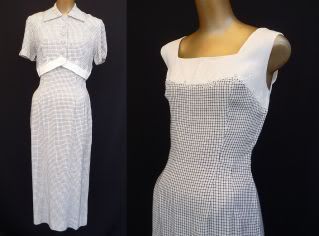
May 4th CHECK THIS OUT! Call it gingham, call it check, call it lovely! This classic pattern shows up in many eras. Show off your gingham patterns!

Gingham and ruffled 50s dress from DAMN GOOD VINTAGE

Black and white checked 1960's outfit from MORNING GLORIOUS on eBay

Vintage 50s Carl Naftal Originals studded linen check wiggle dress & cropped bolero jacket ensemble from CATSEYE VINTAGE ESTATE COLLECTION at Ruby Lane

Check out more fantastic vintage from VFG members on the VINTAGE FASHION GUILD FASHION PARADE!!